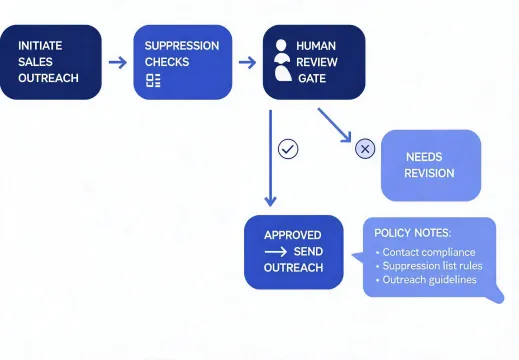
Revenue operations team reviewing integrated agent workflow

Integrations

Put verification inside the operating rhythm your team already owns.

Integration is not a promise of universal compatibility. It is a practical agreement about where a task begins, which credentials are scoped, how evidence is returned, and where a reviewer takes responsibility.

Our operating view

Agent-native prospecting is most useful when it reduces context switching without hiding consequential decisions. A GTM engineer should be able to trace a task from the original brief through data access, output handling, and the reviewer who accepted or rejected the next step. ZeroBounce content focuses on that inspectable chain rather than an abstract claim of automation.
What teams can govern

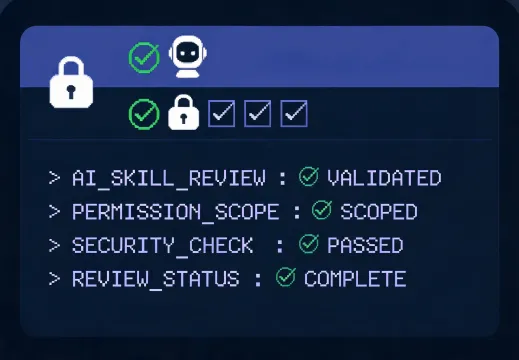
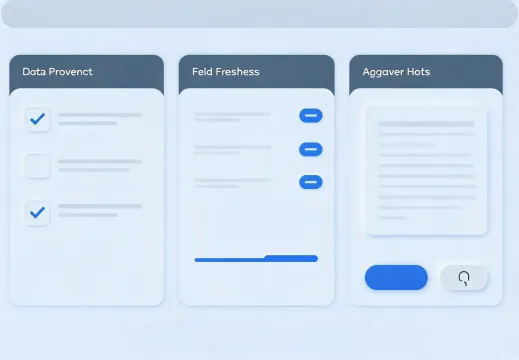
Teams can set access boundaries, control environments, define retention, choose an approval route, and document the fields that are allowed to reach a CRM or sequencing tool. Those controls make integration a collaboration between RevOps, sales leadership, and security reviewers instead of a handoff to an opaque tool.

Working principles

Four habits for dependable agent workflows

Evidence before action

Ask the runtime to return sources, timestamps, and unresolved fields alongside a suggested email status.

Least-privilege access

Use narrowly scoped credentials and keep keys out of prompts, spreadsheets, source control, and shared logs.

Reviewable handoffs

Send a concise decision record to the person accountable for enrichment, messaging, or suppression handling.

Measured rollout

Start with known accounts and documented test criteria before connecting the workflow to broader operations.

Install deliberately, then make the first result observable.

The command opens the setup path; your team still chooses permissions, configuration, and acceptance criteria.