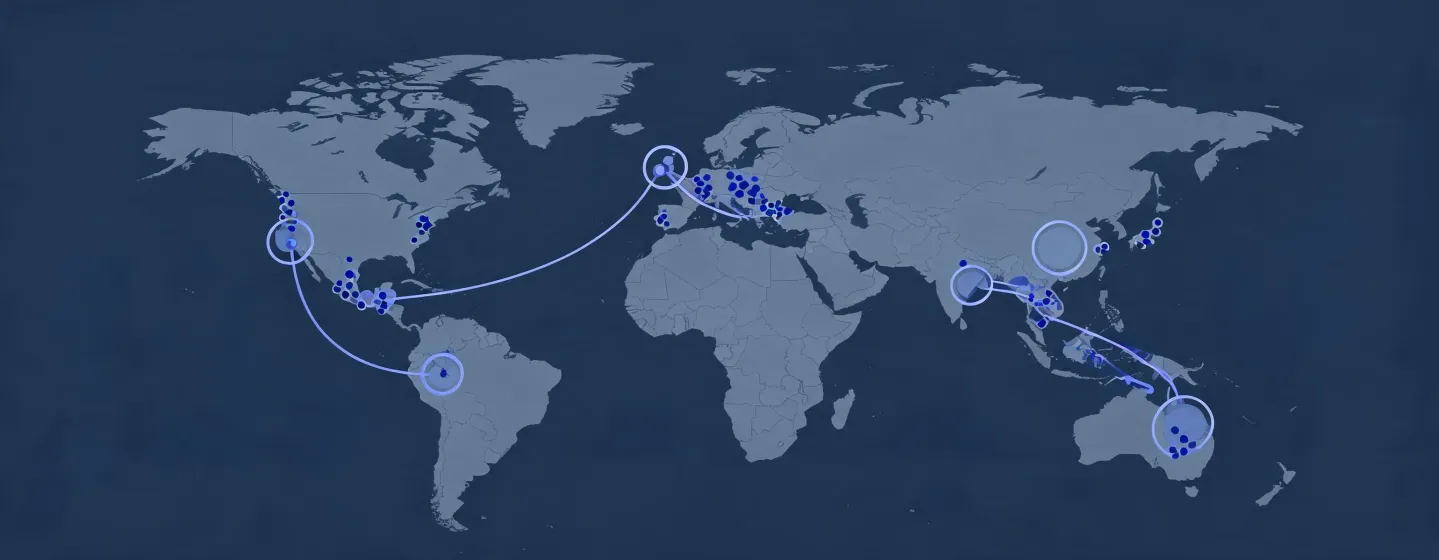
North American revenue teams
For SDR and demand-generation teams, verification commonly follows account research and precedes a carefully reviewed outreach decision. Capture the target account, role hypothesis, business domain, check time, and reason a record belongs in the segment. The operator should still evaluate message relevance, sender authentication practices such as SPF, DKIM, and DMARC, and any suppression requirements before a sequence is activated.
- Use ICP exclusions to prevent broad or consumer-oriented searching.
- Attach the validation outcome to a dated account-research record.
- Route uncertain states to a reviewer instead of an automated send path.
UK and European teams
Regional privacy expectations make purpose limitation and documented review especially important. Keep the research request narrow, state why a role is relevant, and ensure the downstream workflow can apply deletion, correction, and opt-out decisions. A verification signal does not change the responsibility to consider lawful, appropriate, and respectful handling of business-contact data.
- Record the intended business purpose beside the result.
- Limit connected credentials to the smallest useful scope.
- Confirm retention and escalation rules before a larger rollout.
Global outbound agencies
Agencies need clear boundaries between a client’s ICP, the data provider’s terms, the agent runtime, and the client’s eventual approval. Waterfall enrichment may produce useful coverage but can also obscure provenance when it is not documented. Build a client-readable decision packet so campaign managers can reject questionable data, handle suppression requests, and review outbound copy before any message is sent.
- Separate source context from derived recommendations.
- Never equate scale with deliverability or approval.
- Keep a named client reviewer in the workflow.